

Quick summary
- Google Play’s Indie Games Fund offers $1 million total, split among 10 African studios
- Individual grants range from $50,000 to $200,000, equity-free
- Nigeria is one of 32 eligible countries, alongside Ghana, Kenya, South Africa, and others
- Applicants must be private studios with 50 or fewer staff and a launched mobile, PC, or console game
- Selected studios must publish on Google Play and join Play Pass for two years
- Applications close July 31, 2026; winners announced in September
Google Play has opened applications for its first Indie Games Fund dedicated to Africa, putting $1 million behind independent game studios across 32 countries on the continent, Nigeria included. For a local gaming industry that has long struggled to attract serious capital, this is one of the biggest funding opportunities to land on Nigerian shores in years.
What the fund offers
The Indie Games Fund will hand out equity-free grants ranging from $50,000 to $200,000 to ten selected studios, alongside hands-on mentorship from industry experts and technical support aimed at improving how games perform and how easily players discover them on the Play Store. Because the funding is equity-free, studios keep full ownership of their businesses, a detail that matters a lot to founders wary of giving up stakes just to get their games in front of a bigger audience.
Ben Wilson, Google Play’s Managing Director for Europe, the Middle East and Africa, said the initiative was built to help independent studios scale their games, reach global audiences, and unlock the value sitting in Africa’s creative and digital economy. He pointed out that while the continent’s game developers have never lacked talent or storytelling ability, access to capital has consistently held promising studios back.
Who can apply
Eligibility is fairly specific. Applicants must be privately owned studios registered in one of the 32 eligible African countries, which includes Nigeria alongside Ghana, Kenya, South Africa, Tanzania, Uganda, Zambia, and Zimbabwe. Studios must have 50 employees or fewer, must have already launched a mobile, PC, or console game, and must commit to publishing that game on Google Play. Selected studios also agree to join the Play Pass subscription programme on a non-exclusive basis for two years.
This last requirement matters for Nigerian developers weighing whether to apply. Studios that already lean on Google Play as their main distribution channel, which describes most Nigerian mobile game studios, should find this condition straightforward rather than restrictive.
Applications close on July 31 at 3 PM East Africa Time, and Google plans to announce the ten winning studios in September.
Why this means alot for Nigeria’s gaming scene
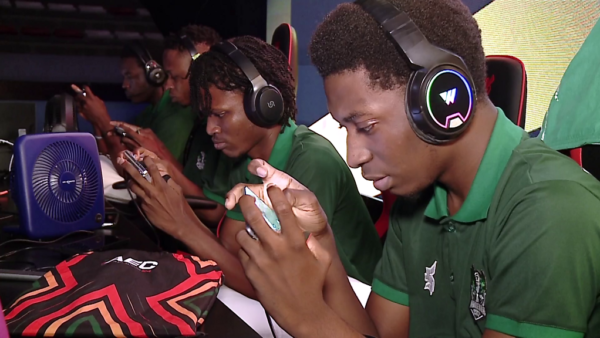
Nigeria has produced some of Africa’s earliest and most recognisable mobile game studios, including Lagos-based names like Maliyo Games and Gamsole, both founded in 2012 and known for titles drawing on everyday Nigerian life, from okada riders dodging traffic to street food vendors. Despite that head start, funding has remained the industry’s biggest obstacle. According to the 2025 African Game Industry Report, only 3 percent of the roughly 250 game studios across the continent have ever received government funding, even though the African gaming market is now estimated at $2.29 billion.
A grant in dollars carries extra weight given how far the naira has fallen against the dollar in recent years. A $50,000 to $200,000 allocation converts to a substantial sum locally, enough to cover costs that are usually the hardest to fund domestically, things like paid marketing pushes, hiring specialist developers, or polishing a game for international release. It also removes a common headache for Nigerian founders, since equity-free funding avoids the complications of pricing a stake in a business when investors are working off unstable exchange rates.
What Nigerian developers should do next
Studios interested in applying should start by confirming they meet the baseline requirements, a launched game, fewer than 50 employees, and existing distribution on Google Play, before working through the official application portal ahead of the July 31 deadline. Given how competitive ten slots out of dozens of applicants across 32 countries will likely be, a strong, already-live title with clear plans for what the funding would unlock is likely to stand out more than a polished pitch alone.



Join the conversation