


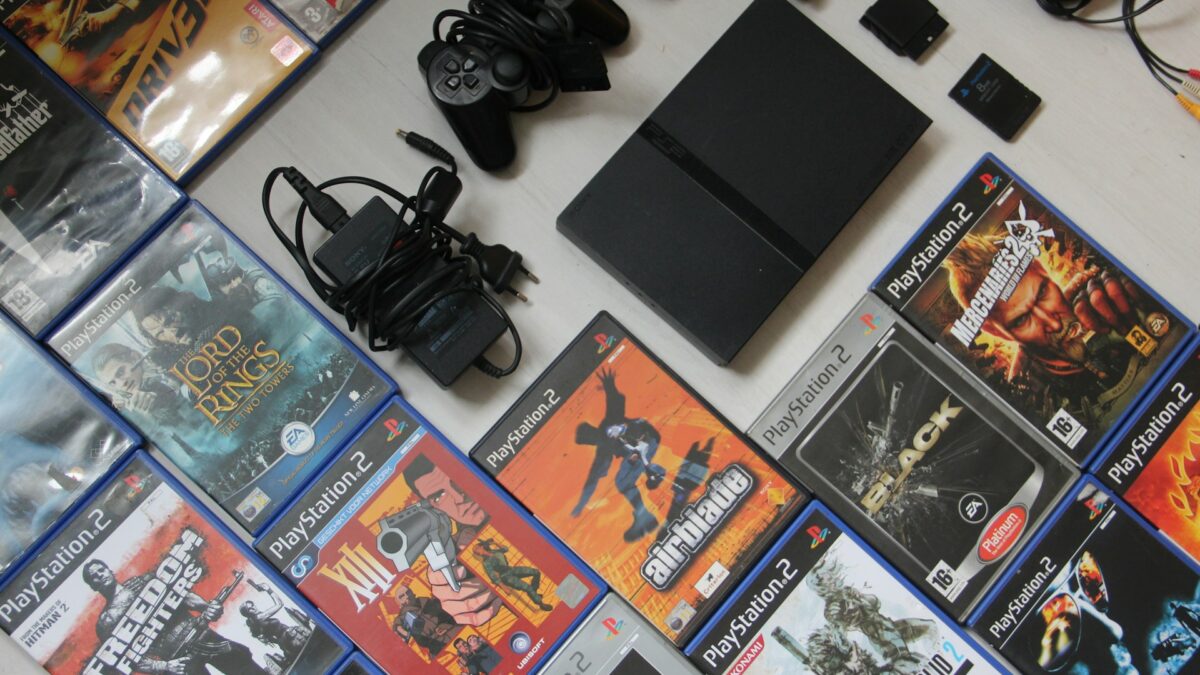
Sony has confirmed that physical game discs for PlayStation are going away. Starting January 2028, every new game releasing on PlayStation consoles will be sold digitally only, through the PlayStation Store or digital codes at retailers. For Nigerian gamers, this is not just industry news from abroad. It touches how many of us actually buy, share, and afford our games.
What Sony announced
In a post on the PlayStation Blog, Sony said physical disc production for all new PlayStation games will stop from January 2028. The company explained that digital purchases now significantly outpace physical ones, and the move brings PlayStation in line with how most of its community already plays.
Games released before that date will remain available on disc, so nothing changes for existing libraries. But every new title after the cutoff, whether from Sony’s own studios or third-party publishers, will be digital-only.
The announcement follows Grand Theft Auto 6’s so-called physical edition, which only ships a download code rather than an actual disc, a decision that already frustrated collectors worldwide. Sony also revealed it will shut down the PlayStation Store on PS3 in select markets this year, with PS3 and PS Vita stores closing globally in 2026.
Why this hits differently in Nigeria
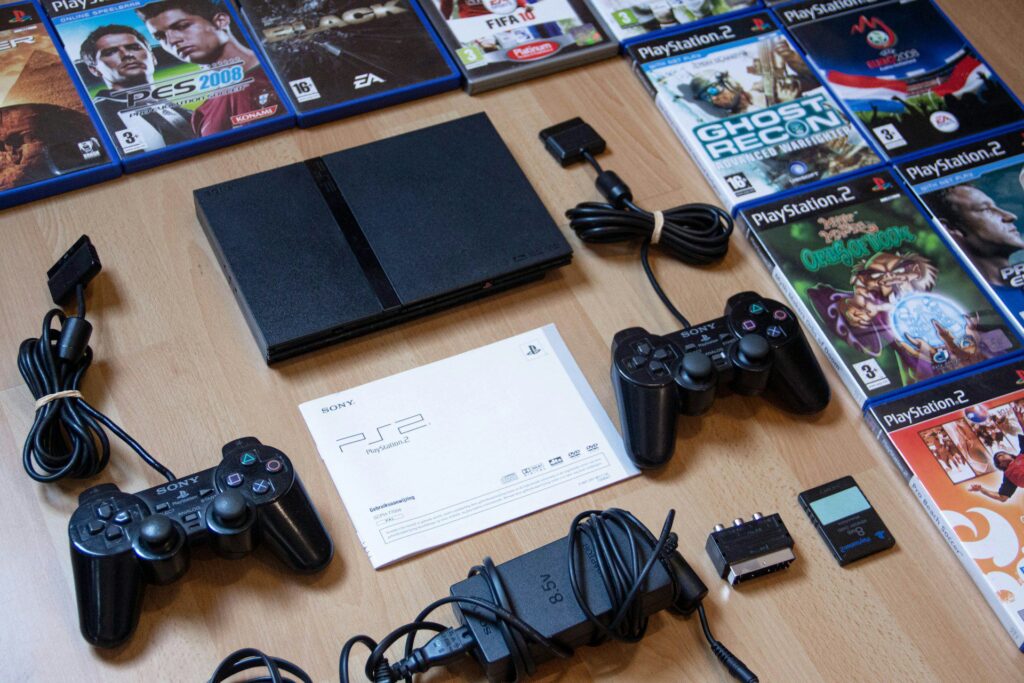
For many Nigerian gamers, physical discs have never just been about nostalgia. They are the backbone of an entire secondhand economy. Platforms like Jiji list used PS5 titles for as little as a few thousand naira, and stores such as Cheap Games NG and IEX Games run active trade-in programs where gamers swap old titles for credit or cash. Computer Village in Ikeja remains a go-to hub where gamers physically inspect a disc before paying, haggle on price, and walk away with a working copy the same day.
That entire culture depends on discs existing in the first place. Once new titles go digital-only, there will be nothing left to trade in, resell, or lend to a friend. A digital purchase is tied to one PlayStation account. You cannot hand it to your cousin for the weekend or sell it off when you are done, the way discs have always allowed.
There is also the data problem. Modern PlayStation titles routinely run past 100GB. Downloading a single big release on Nigerian mobile data or even many home broadband plans is slow and expensive, especially outside major cities where fibre coverage is limited. Buying a disc has always meant skipping that download entirely. That workaround disappears for anything released after January 2028.
Pricing adds another layer. PlayStation Store prices in Nigeria are effectively tied to the dollar, and without a naira storefront, many gamers rely on foreign-currency cards or third-party top-up vendors just to buy digital titles. Physical discs imported and sold locally have often worked out cheaper than official digital prices once forex swings are factored in.
What Nigerian gamers and shop owners should expect
None of this happens overnight. Everything releasing before January 2028 stays exactly as it is, so there is time to plan. In the short term, expect local shops that currently sell and trade discs to lean harder into two things: the growing resale market for older, disc-era titles, and top-up or account-funding services for the PlayStation Store, similar to how many already sell subscription codes and gift cards.

Gamers who prefer physical ownership should treat the next year and a half as a window to build out their disc libraries for titles they know they want long-term, since that option quietly closes for new releases afterward. Those who already lean digital, particularly players buying via PS Plus subscriptions or store sales, will barely notice the shift.
Quick summary
- New PlayStation games go digital-only starting January 2028
- Titles released before then remain on disc as normal
- Nigeria’s active disc resale and trade-in market, built around platforms like Jiji, Cheap Games NG, and Computer Village, has no digital equivalent
- Large game file sizes make downloading a real cost and time burden on Nigerian data and broadband
- Local shops are likely to shift toward store top-ups and older disc resale as the market adjusts





1 comment
[…] means a Premium subscriber sitting patiently and waiting for August 2027 might be waiting for something […]