

Quick summary
- PS4 Slim: ₦185,000 to ₦265,000 new or fairly used
- PS4 Pro 1TB: ₦289,000 to ₦400,000 depending on bundle
- PS5 Slim: ₦1,000,000 to ₦1,210,000
- PS5 Disc Edition: around ₦1,450,000
- PS5 Pro 2TB: ₦1,650,000 to ₦1,762,000
- Prices fluctuate with forex since both consoles are imported
- Jumia, Jiji, Slot, and VG Stores are the main places Nigerian gamers buy consoles
Buying a PlayStation console in Nigeria today means dealing with two very different price worlds. The PS4, now an older generation console, remains the budget-friendly option for many gamers, while the PS5 sits firmly in premium territory, often costing four to five times as much. Here is a breakdown of what both consoles actually cost across Nigeria’s major retail platforms.
PS4 prices in Nigeria
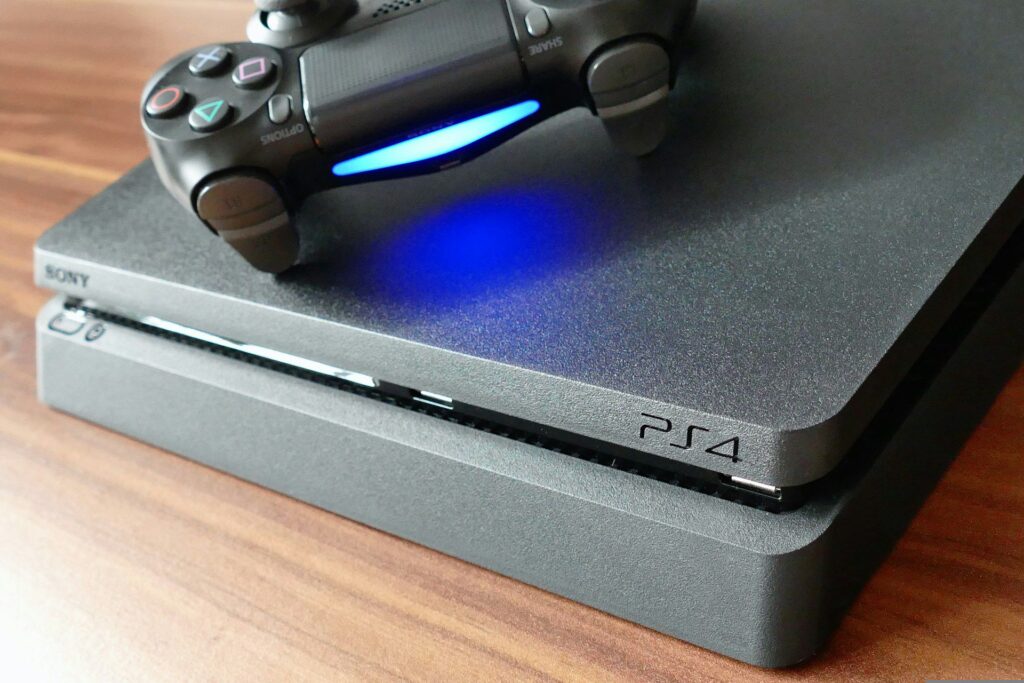
The PS4 Slim, the standard entry point into the PlayStation 4 lineup, currently retails for between ₦185,000 and ₦265,000 on Jumia’s PlayStation 4 listings, depending on the seller and whether the unit is brand new or fairly used. Bundles that come with an extra controller and pre-installed games, including titles like FC 26, tend to sit closer to ₦260,000 to ₦300,000.
The PS4 Pro, which offers better performance and 4K support, is priced higher, generally between ₦289,000 and ₦400,000 depending on storage and bundled extras. A base 1TB PS4 Pro console alone typically lands around ₦309,500 to ₦350,500 on Jumia.
Gamers on tighter budgets often turn to Jiji, where used PS4 consoles and bundles are listed by individual sellers across the country, sometimes well below retail prices, though buyers should always verify a unit’s condition before paying.
PS5 prices in Nigeria
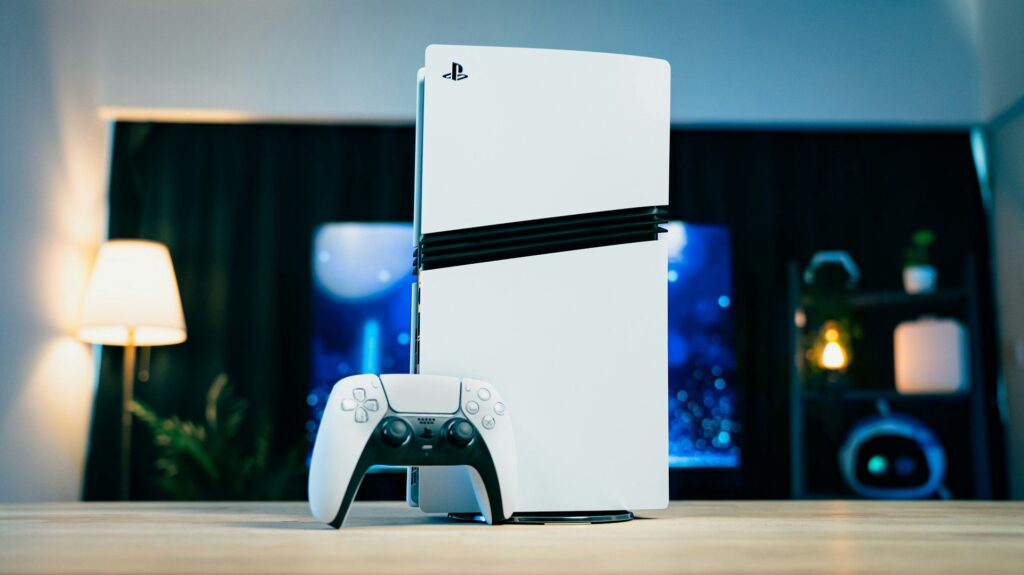
The PS5 sits in an entirely different bracket. A standard PS5 Slim console currently costs between ₦1,000,000 and ₦1,210,000 on Jumia, while the disc edition, which still supports physical game discs, is priced closer to ₦1,450,000. For gamers chasing the best possible performance, the PS5 Pro with 2TB storage ranges from roughly ₦1,650,000 to ₦1,762,000.
These prices vary constantly because they are tied closely to the naira’s exchange rate against the dollar. Since PlayStation consoles are imported rather than manufactured locally, every shift in forex rates tends to show up in retail pricing within weeks. This is part of why PS5 prices in Nigeria can look noticeably different from one month to the next, even without any change in Sony’s official global pricing.
Why the price gap is so wide
Beyond forex, the price difference between the two consoles comes down to hardware generation and import volume. PS4 units have been in the Nigerian market far longer, meaning more used and fairly used stock is available, which naturally pulls prices down. PS5 stock, by comparison, is newer, in higher global demand, and often arrives in the country through fewer import channels, all of which keep prices elevated.
Bundled extras also play a role. Sellers who package consoles with extra controllers, installed games, or extended warranties charge more, but for many Nigerian buyers, these bundles work out cheaper than buying a bare console and adding accessories separately later.
Where Nigerians gamers are buying
Jumia and Jiji remain the two most common platforms for console shopping, offering everything from brand new sealed units to used consoles sold directly by individuals. Physical retailers like Slot, VG Stores in Lagos, and Game outlets in Abuja’s Jabi Lake area also stock both PS4 and PS5 units, giving buyers the option to inspect a console in person before paying, something many gamers prefer given how much money is on the line.
For anyone shopping on a budget, the PS4 remains the more practical entry point into PlayStation gaming, especially with its large existing game library still widely available and affordable. Gamers chasing next-generation graphics and performance, however, will need to budget well over a million naira for a proper PS5 setup.

2 comments
[…] PlayStation dominates this market, and there is no Game Pass on PlayStation at all. For the majority of readers the only question is whether to buy the PS5 version on Tuesday or wait for the first discount, and that decision sits inside a console market that has been climbing all year alongside the wider handheld price surge. […]
[…] Warfare 4 drops PlayStation 4 and Xbox One. It’s the first mainline Call of Duty to abandon the previous console […]