


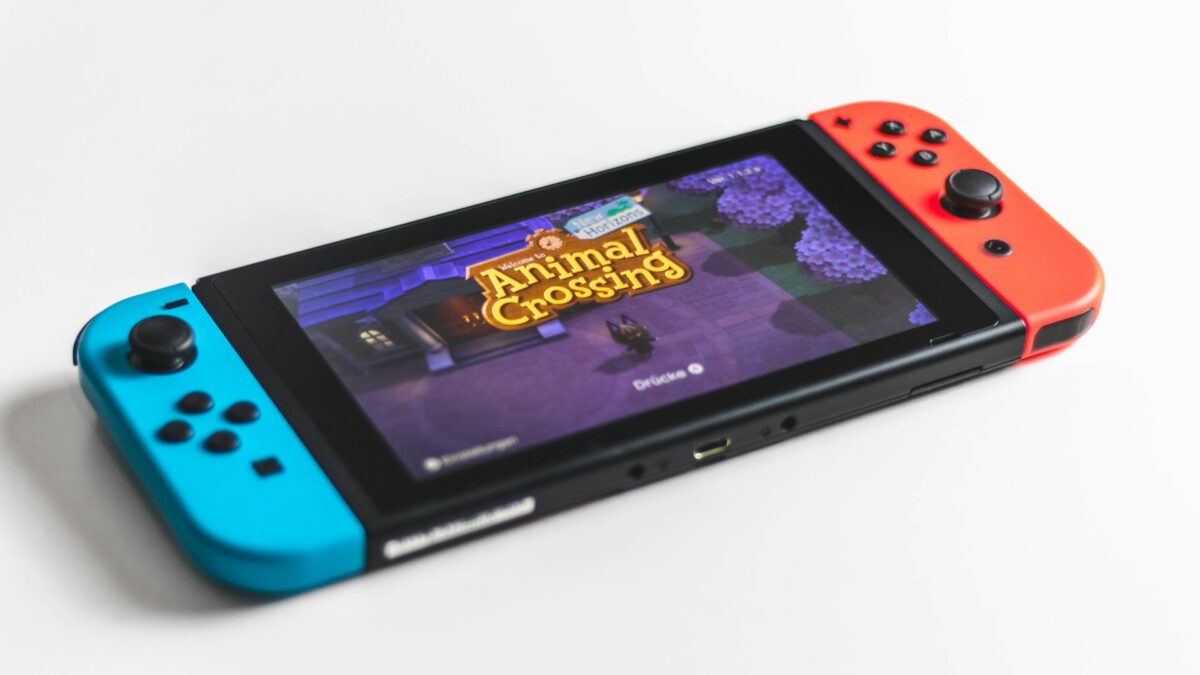
Gaming handhelds used to be the affordable way into serious gaming. That is no longer true anywhere in the world, and Nigerian gamers are absorbing a heavier version of the pain than most.
Sony opened the round of hikes in March, raising PlayStation 5 hardware prices by as much as $150 and citing ongoing pressure on the global economy. Nintendo followed on May 8, confirming the Switch 2 would rise from $449.99 to $499.99 starting September 1. Valve came next, raising Steam Deck OLED prices on May 27, with the 512GB model jumping from $549 to $789 and the 1TB model climbing from $649 to $949, a 44 to 46 percent increase that pushed the device firmly out of budget territory.
Windows-based handhelds have climbed even further. The ROG Xbox Ally X now retails at $999.99, while Lenovo’s Legion Go 2 starts around $1,099 to $1,199 and can reach nearly $3,000 in its top configuration. MSI’s newly unveiled Claw 8 EX AI+ carries a $1,799 sticker, and ASUS has a 20th-anniversary ROG Xbox Ally bundle reportedly priced above $2,000.
The root cause across nearly every manufacturer is the same. A severe global shortage of DRAM memory chips, driven partly by demand from AI data centers, has hit handhelds especially hard because they rely on the same high-speed LPDDR5X memory used in servers. Industry watchers have taken to calling it “RAMageddon,” and manufacturers do not expect the shortage to ease before 2028.
Every one of these price increases is priced in dollars, which means Nigerian buyers absorb the global hike and then get hit again by the naira’s exchange rate against the dollar. Because none of these devices are manufactured or assembled locally, every dollar increase from Valve, Nintendo, or ASUS lands in Nigeria as a naira increase multiplied by whatever the exchange rate happens to be that week.
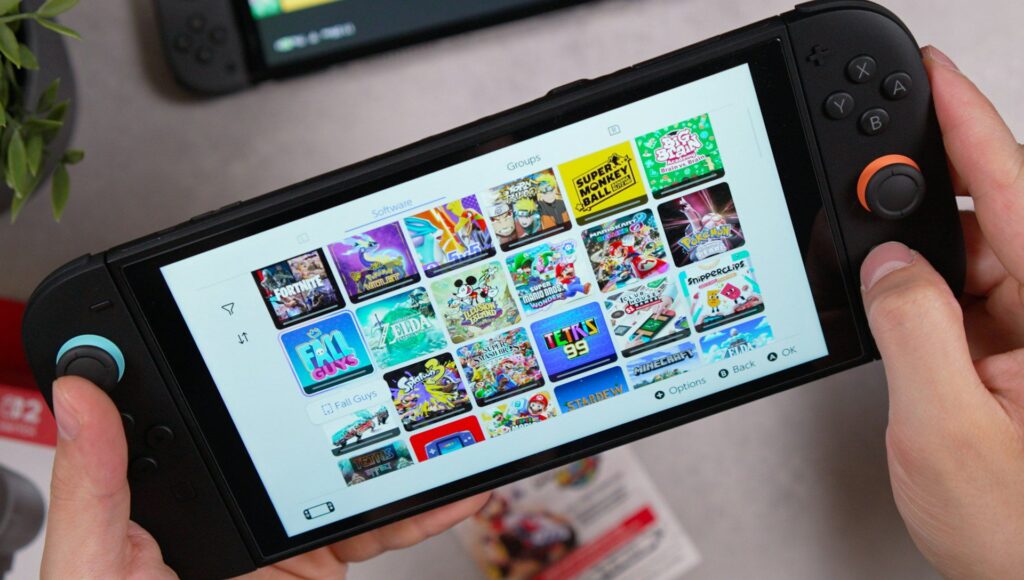
A Nintendo Switch 2 currently lists for ₦850,000 on Jumia, a price that already sits above the console’s pre-hike US retail figure once converted, and that is before Nintendo’s September price increase filters through to local retailers. Devices like the Steam Deck or ROG Ally, which were never officially sold in Nigeria to begin with, typically reach local buyers through importers who add their own markup on top of shipping and customs costs, pushing prices even further from the original dollar figure.
This pricing reality has kept PC handhelds like the Steam Deck a fairly niche purchase among Nigerian gamers even before the recent hikes, since importing one has always meant paying a premium most console alternatives do not carry. The new round of global price increases only widens that gap.
For Nigerian gamers weighing a handheld purchase, timing now matters more than usual. The Switch 2’s September price rise gives a narrow window where buying before the increase locally could still save a meaningful amount, assuming local retailers have not already adjusted prices in anticipation.
Budget-focused buyers are increasingly looking toward the used and fairly used market on platforms like Jiji, where earlier-generation Switch and Steam Deck units, along with older Android-based handhelds, remain far more accessible than anything at current new-unit pricing. Refurbished units, where available through official channels, also offer some relief, with Valve’s certified refurbished Steam Deck OLED units running notably cheaper than new stock abroad.
For gamers who can wait, industry watchers do not expect the DRAM shortage driving these hikes to ease before 2028, meaning prices are unlikely to correct on their own anytime soon. In the meantime, older hardware and the secondhand market look set to carry a larger share of Nigeria’s handheld gaming scene than they have in years.
Quick summary
- Steam Deck OLED prices rose 44 to 46 percent globally in May 2026
- Nintendo Switch 2 rises from $449.99 to $499.99 in the US starting September 1
- Windows handhelds like the ROG Xbox Ally X and Legion Go 2 now cost $999 to nearly $3,000
- A global DRAM memory shortage is the main driver, with no relief expected before 2028
- Switch 2 already retails for ₦850,000 on Jumia, ahead of Nintendo’s global price hike
- Nigerian buyers face both the global price increase and naira exchange rate pressure on imported handhelds




1 comment
[…] PlayStation dominates this market, and there is no Game Pass on PlayStation at all. For most readers the only real question is whether to buy the PS5 version on Tuesday or wait for the first discount, and that decision sits inside a console market that has been climbing all year alongside the wider handheld price surge. […]