

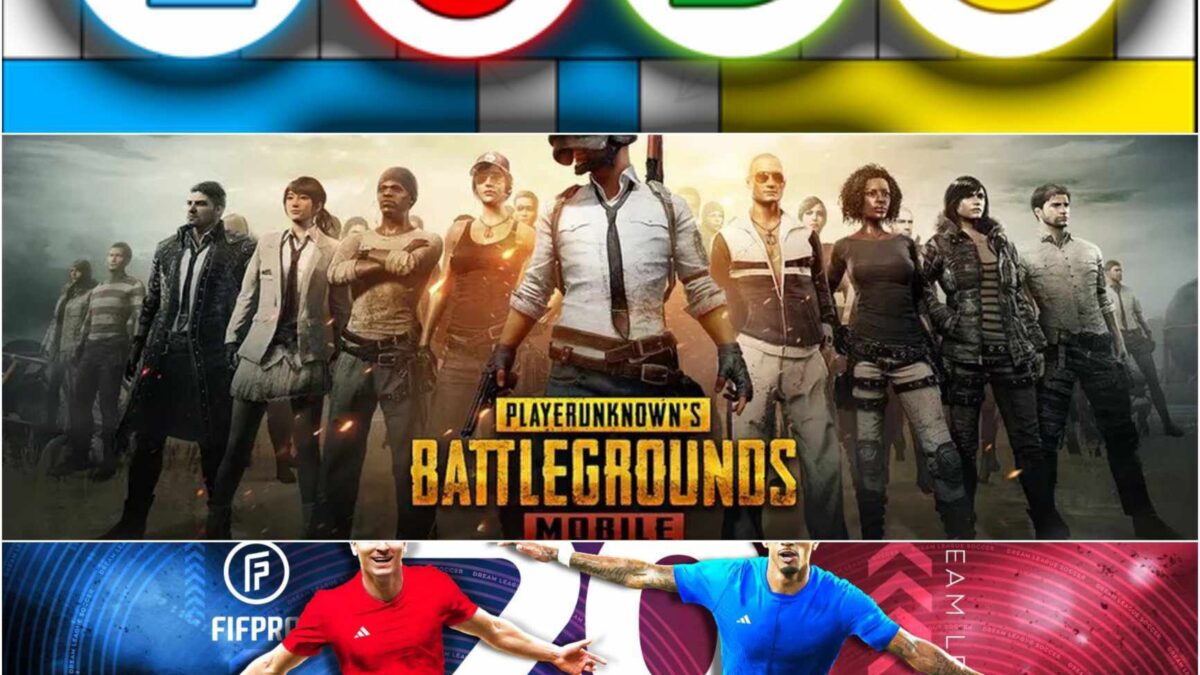
Nigeria’s mobile gaming scene in 2026 runs on a mix of shooters, football simulators, and simple games almost every phone can handle. Based on current popularity, downloads, and local trends, here are the 10 games dominating Nigerian phones right now.
1. Call of Duty: Mobile
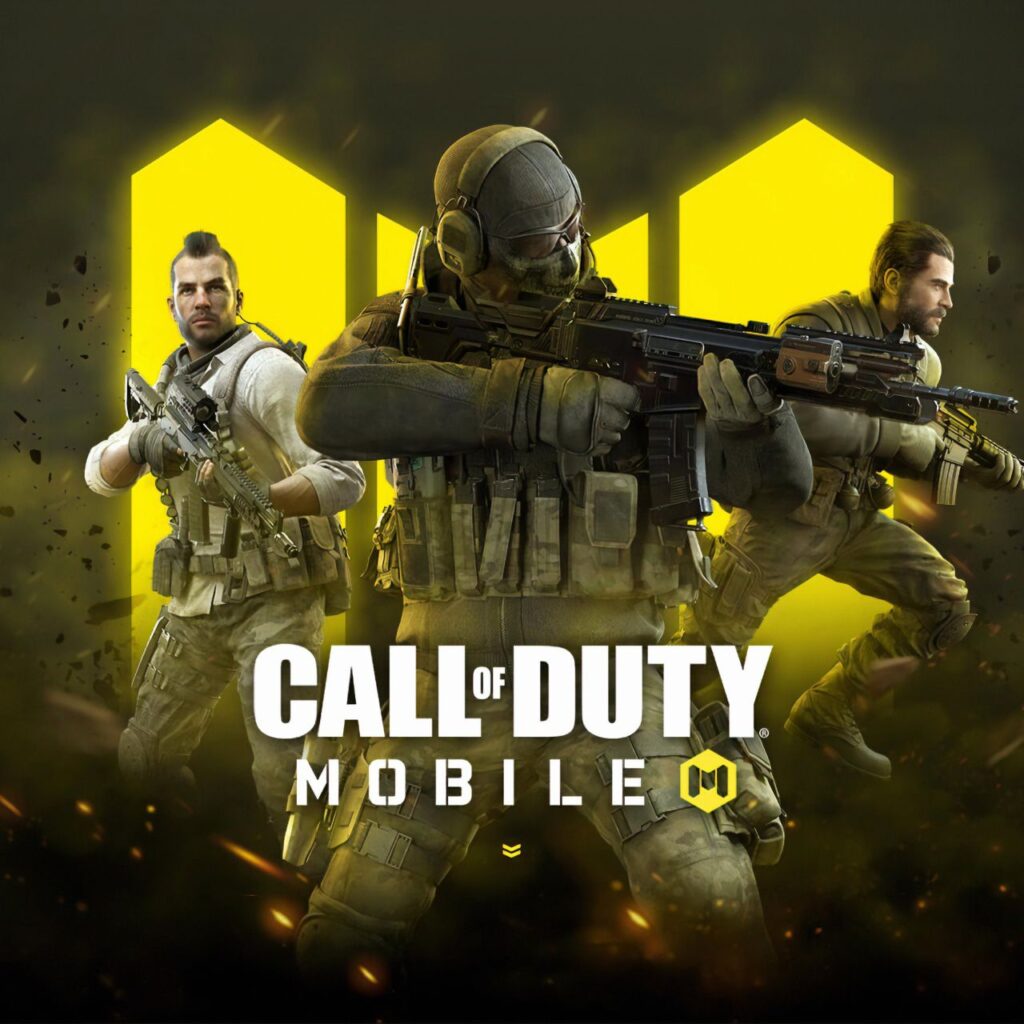
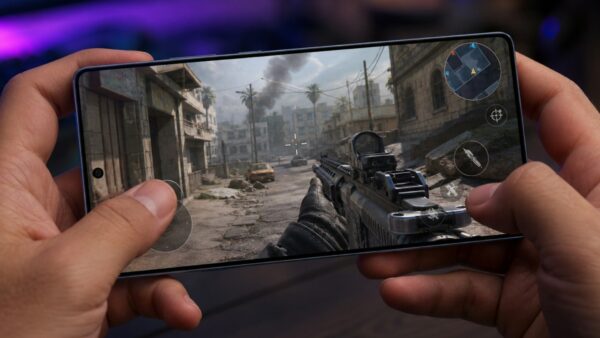
COD Mobile continues to dominate Nigeria’s mobile gaming scene with its intense multiplayer battles and battle royale mode. It is especially popular on university campuses and in urban areas, and it remains one of the top action games on Google Play in Nigeria.
2. Free Fire MAX
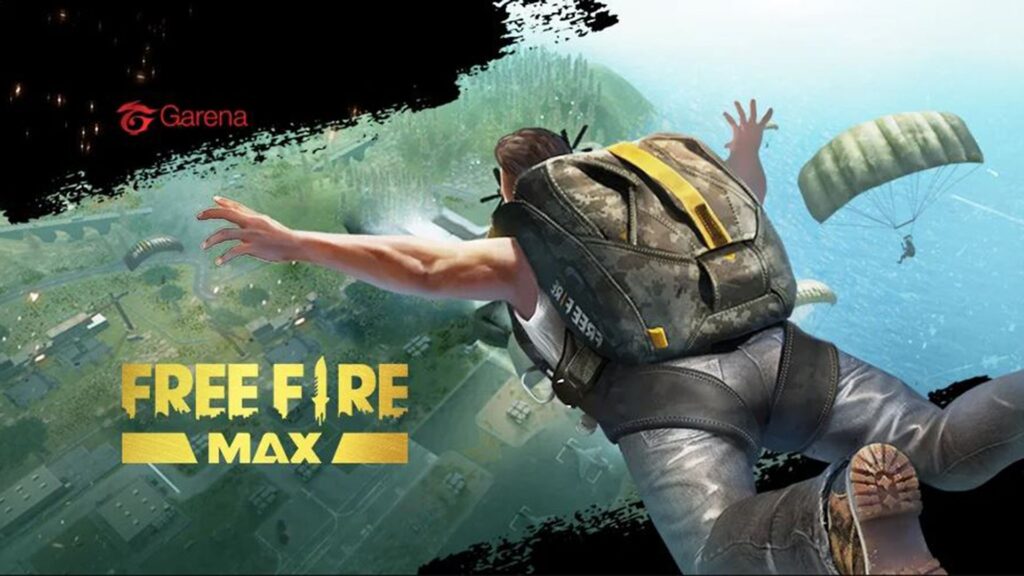
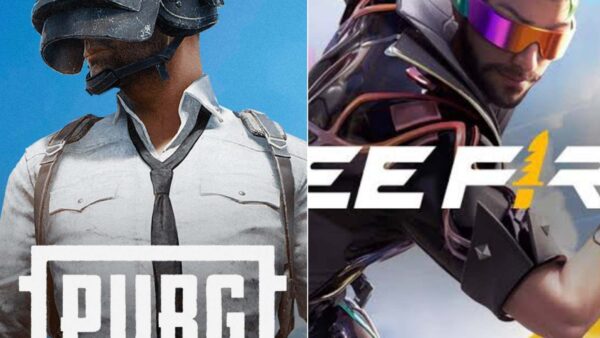
This upgraded version of Free Fire has become wildly popular for its smooth performance on low-end devices, making it perfect for budget Android users in Nigeria. It is one of the top action titles in the country alongside COD Mobile, and its short, fast matches fit easily into busy daily schedules.
3. eFootball
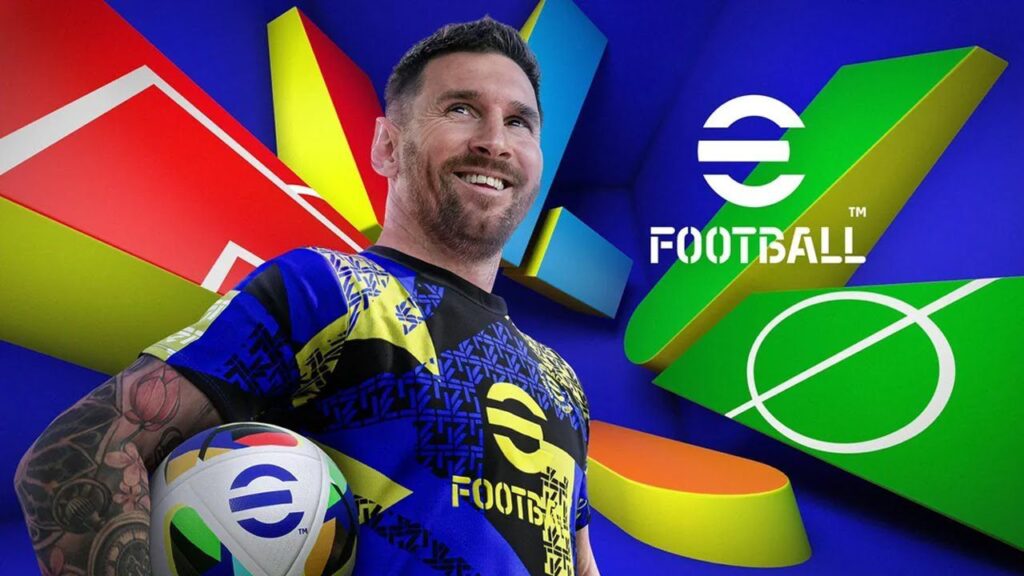
Football is Nigeria’s favorite sport, and eFootball offers the best on-the-go football simulation with realistic graphics. Online matches, local competitions, and friendly play keep Nigerian football fans consistently active on the game.
4. Dream League Soccer
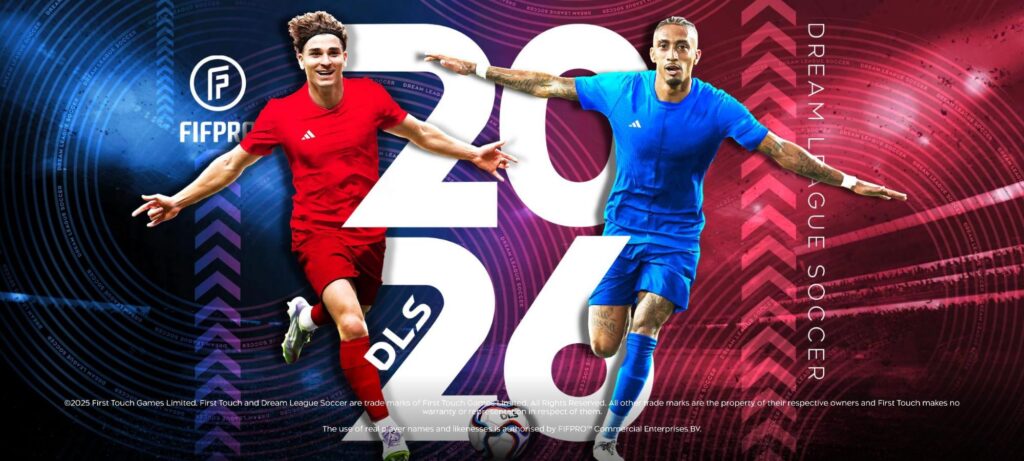
Dream League Soccer remains one of the most downloaded sports games in Nigeria, currently sitting in the top apps chart on Google Play. Its mix of team building and football management keeps it relevant alongside eFootball rather than being replaced by it.
5. PUBG Mobile
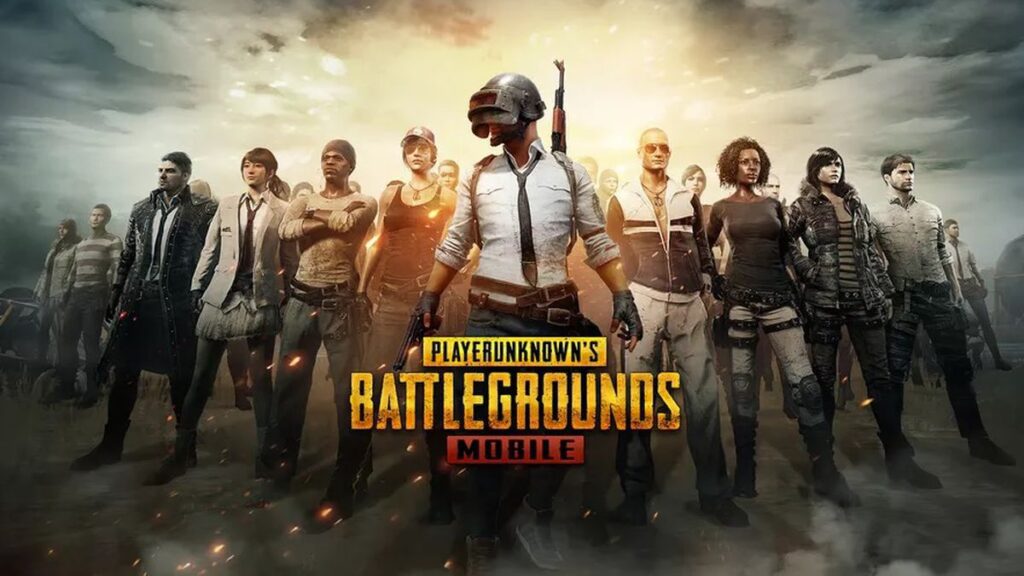
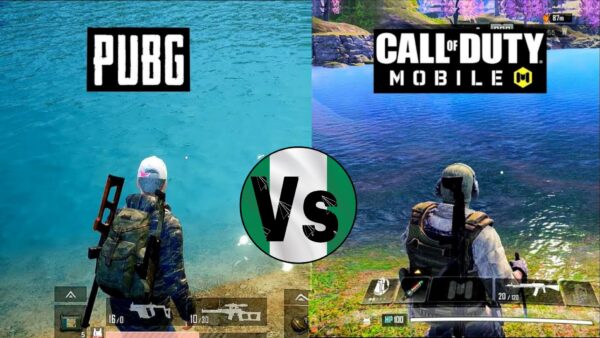
PUBG Mobile continues to rank among the most played battle royale games in Nigeria, supported by large maps, squad-based gameplay, and realistic combat mechanics. Frequent seasonal updates and a strong global player base help it retain long-term interest among Nigerian players.
6. Ludo (Ludo King and local Ludo apps)
Ludo King is described as the most popular family game in Nigeria right now, mainly because almost every phone can run it and nearly everyone, from kids to grandparents, already knows the rules. Beyond Ludo King itself, Nigerian-made versions like Naija Ludo and Ludo Naira have also built strong followings by adding local language options and Nigeria-specific features.
7. Candy Crush Saga
This puzzle game remains a favorite among Nigerian adults, particularly women. It is light, colorful, and does not require fast reflexes, which makes it appealing to a wide range of casual players who want something relaxing rather than competitive.
8. Subway Surfers
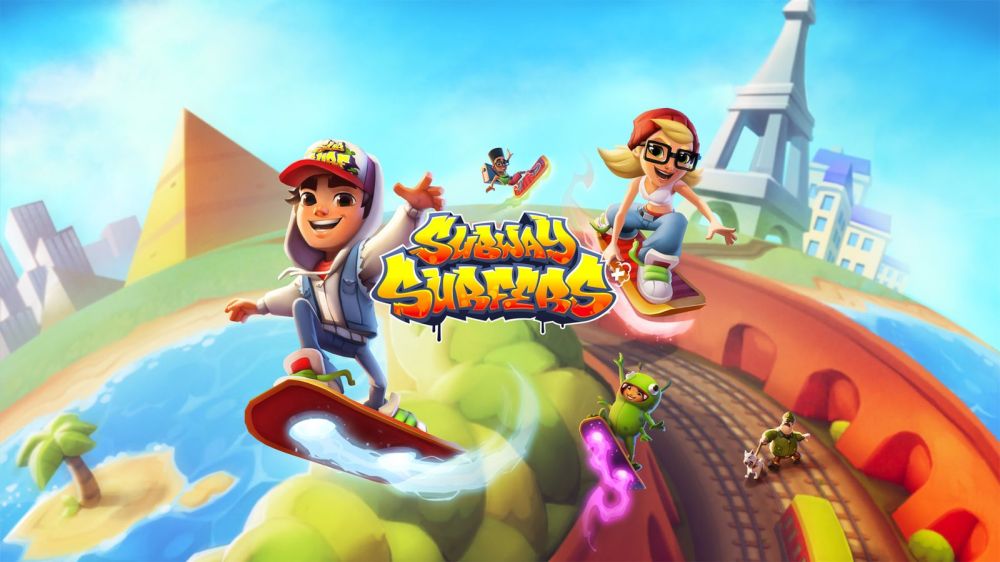
A hit with Nigerian kids and teens, Subway Surfers remains one of the most downloaded endless runners thanks to its offline play and simple controls. It does not need a strong internet connection, which matters a lot for players managing limited data.
9. Temple Run
Temple Run helped popularize the endless runner genre in Nigeria before Subway Surfers took over much of that audience. It still holds a loyal base of casual players who grew up with it and continue returning to it as a quick, simple time killer.
10. Naija Whot-style local games
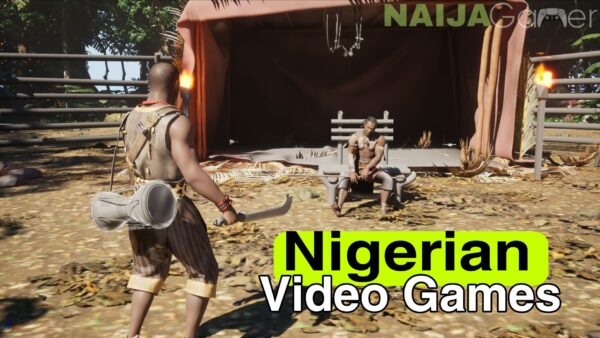
Beyond the global hits, Nigerian-built games like Naija Ludo and Waje Game’s Whot app have carved out real space on Nigeria’s own Google Play top charts. These games reflect local culture directly, often including Nigerian languages and the classic Whot card game format that many Nigerians already know from childhood, and they prove that homegrown titles can still compete for attention against international names.
How we compiled this list
A few patterns stand out across these ten games. Shooting and battle royale titles like COD Mobile, Free Fire MAX, and PUBG Mobile thrive because of strong social features such as squads, clans, and ranked modes, which keep players coming back. Football games like eFootball and Dream League Soccer succeed simply because football is the most followed sport in the country.
Lighter games like Candy Crush, Subway Surfers, Temple Run, and Ludo dominate because they run smoothly on entry-level Android phones and do not demand heavy data usage, which matters in a market where most players are on budget devices and limited data plans.
The presence of Nigerian-made titles like Naija Ludo and Waje Game’s Whot app on this list also shows that local developers are not being completely pushed out by international publishers. They are finding real traction by leaning directly into Nigerian culture rather than competing head-on with global franchises.

Join the conversation