

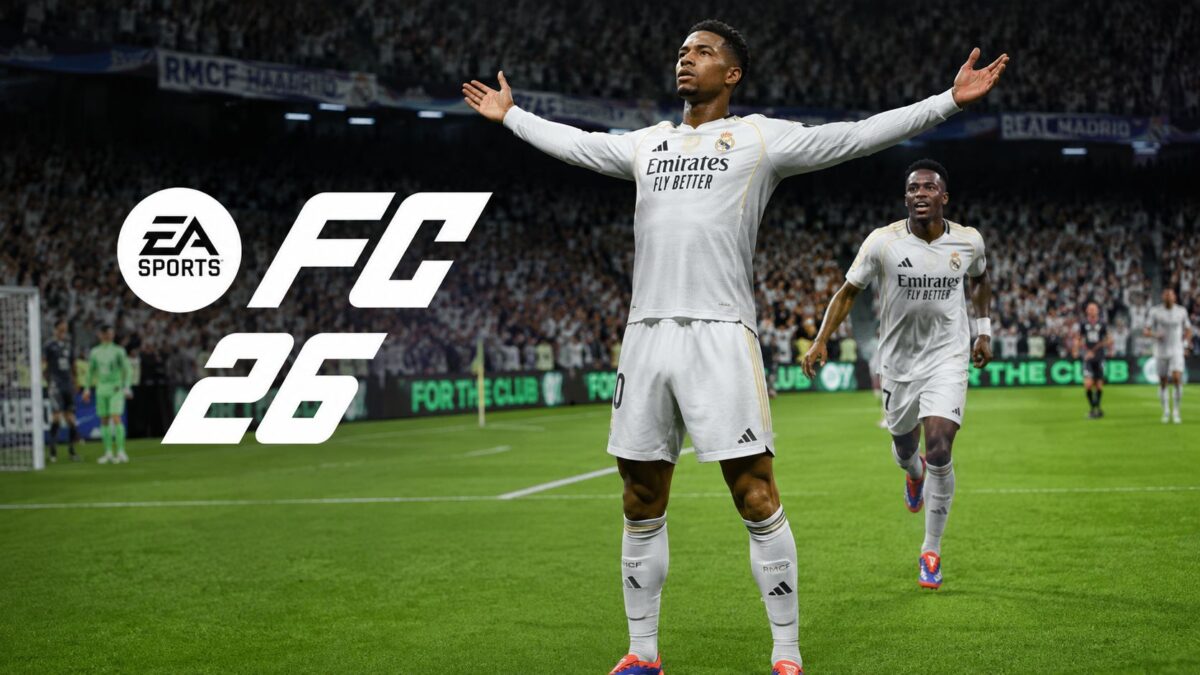
Electronic Arts is no longer a public company. The $55 billion take-private led by Saudi Arabia’s Public Investment Fund closed on 4 August, EA’s shares stopped trading on Nasdaq before Wednesday’s open, and the publisher behind EA Sports FC, Madden, Apex Legends, Battlefield and The Sims now sits under Saudi control. It is the largest leveraged buyout ever completed.
How much of EA Saudi Arabia actually owns
The consortium is usually described as three parties, which understates how lopsided it is. Filings submitted to Brazil’s antitrust regulator put PIF at 93.4 per cent of the new entity. Silver Lake takes 5.5 per cent and Jared Kushner’s Affinity Partners 1.1 per cent. PIF rolled its existing 9.9 per cent EA stake into the structure and put in roughly $29 billion of fresh capital on top.
Shareholders received $210 a share in cash, a premium of about 25 per cent on where the stock sat before the talks leaked in September last year. Andrew Wilson stays on as chief executive and EA continues operating from California. On paper, very little changes tomorrow.
The $20 billion that has to be paid back somehow
Of the money used to buy EA, $20 billion is borrowed. In a leveraged buyout that debt doesn’t sit with the buyers, it lands on the acquired company’s own balance sheet, and EA now has to service it out of what its games earn.
Analysts have already flagged the obvious consequences, which are cost-cutting and layoffs. EA had cut around 6 per cent of its workforce before the deal even closed. But the other route to servicing debt is revenue, and EA’s most reliable revenue engine is Ultimate Team. Any publisher carrying that much borrowing has a structural reason to lean harder on the mode that already prints money rather than the ones that don’t.
The optimistic reading is real too. Going private removes quarterly earnings pressure, which in theory frees a studio to take longer swings on games that need years rather than months. Whether EA uses that freedom or spends it paying down interest is the whole question, and nobody will know for a couple of release cycles.
What this means if EA FC is the only game you buy
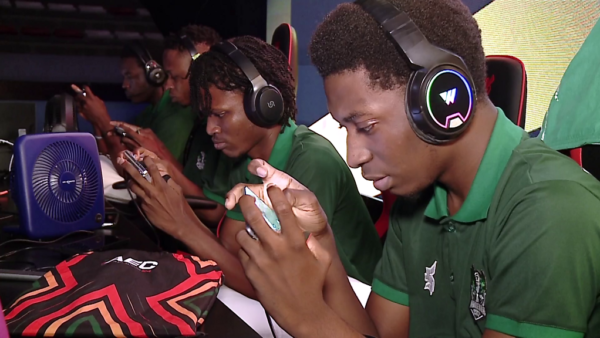
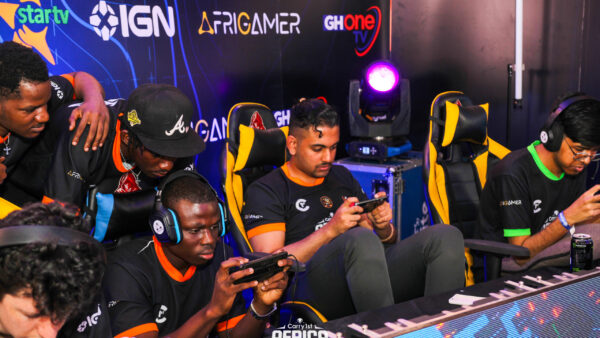
For most Nigerian players, EA is EA FC. It is the game running on the consoles in gaming centres across the country, the one people organise weekend tournaments around, and for plenty of households the single game bought each year.
That makes the monetisation question local rather than abstract. FC Points are priced in dollars and paid for with cards exposed to the exchange rate, so Nigerian players already absorb every price movement twice over. If new ownership pushes harder on in-game spending to service the debt, this market feels it before most others do, and it feels it on the one title people here actually care about.
There is a competition angle worth noting alongside that. PIF’s gaming arm already owns ESL and FACEIT, it bought Scopely, it holds a minority position in Nintendo, and it now owns the biggest football game on earth outright. Saudi Arabia hosts the Esports World Cup in Riyadh and is set to run the first Olympic Esports Games in 2027. A single owner controlling both the game and the tournament infrastructure around it is new territory for competitive FC, and Nigerian players who compete online are inside that ecosystem whether they think about it or not.
The criticism the press releases left out
PIF’s deputy governor for international investments, Turqi Alnowaiser, has promised heavy investment in EA’s growth, including pushing artificial intelligence further into game development. Wilson has talked about building the next generation of games and experiences. Neither statement tells you much.
Amnesty International and Human Rights Watch have both been sharply critical of Saudi Arabia’s expansion into sport and esports, describing it as sportswashing intended to draw attention away from the kingdom’s human rights record. That argument has followed PIF through its football investments and it follows this deal too. It sits uncomfortably next to the fact that the fund is doing all this while Saudi Arabia’s own budget deficit is widening.
What to actually watch over the next year is narrow and concrete: whether the next EA FC changes how Ultimate Team is priced, whether EA’s studio headcount falls further, and whether any of the franchises that don’t generate recurring spending survive the new owners’ first proper budget review. The rest is press release language.