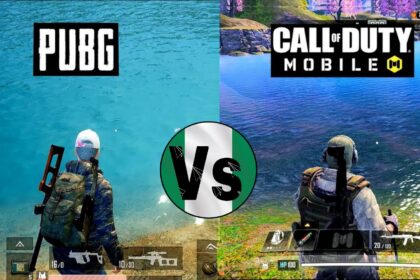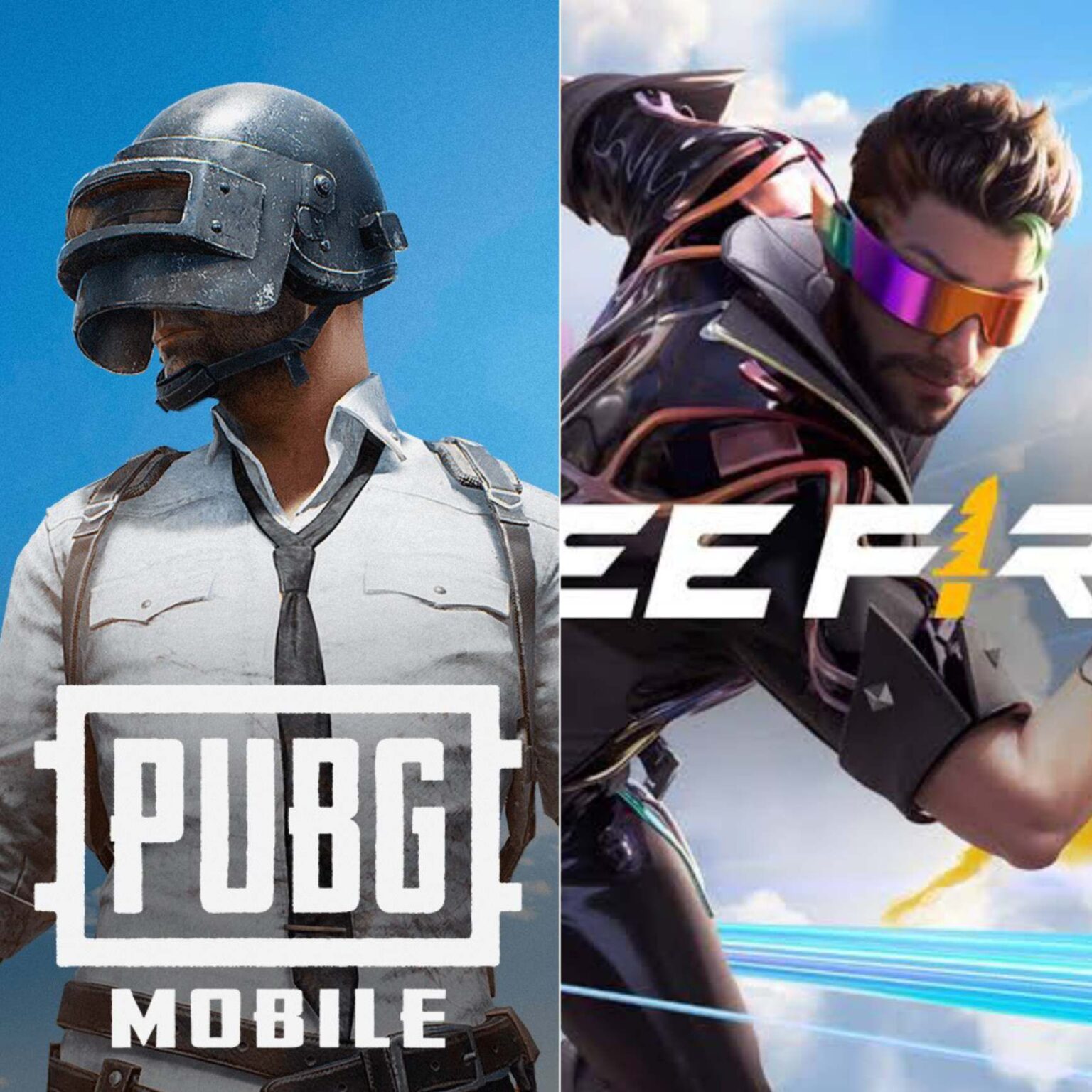
PUBG Mobile has better graphics, bigger maps, and a more serious competitive scene worldwide. Yet walk into any cyber cafe, viewing center, or campus hostel in Nigeria and Free Fire is almost always the game running on more screens. The reason comes down to two things most Nigerians deal with every single day: the phone in their pocket and the cost of data.
Most Nigerians Are Not Carrying High-End Phones
PUBG Mobile runs on Unreal Engine 4 with realistic lighting, detailed environments, and weather effects. That level of detail demands real processing power. Free Fire, by contrast, uses colorful, simplified, arcade-style visuals built specifically for accessibility, and it runs comfortably on weaker hardware.
This matters enormously in Nigeria, where the phone market is dominated by budget devices. A look at what is actually selling in 2026 shows chipsets like the Unisoc T606, Unisoc T7250, and MediaTek Helio G81 powering most of the country’s new phones, priced anywhere from around ₦65,000 to ₦150,000. RAM on these devices typically sits between 3GB and 8GB, often with software tricks extending it further. These are not gaming phones. They are everyday phones built to handle calls, WhatsApp, and social media first.
PUBG Mobile can technically run on phones like this, but the experience suffers. Frame drops, longer loading times, and overheating are common complaints on lower-spec devices. Free Fire was built from the start with exactly this kind of hardware in mind, which is part of why it became one of the most downloaded mobile games globally in markets with similar device economics, including Southeast Asia, Latin America, and India.
Free Fire Matches How Nigerians Actually Buy Data
Data is not cheap in Nigeria, and gaming eats through it fast if a game is poorly optimized or matches drag on. PUBG Mobile matches typically last 25 to 35 minutes with up to 100 players spread across a map roughly twice the size of anything in Free Fire. Free Fire matches are built around 50 players and are usually done in 10 to 15 minutes.
Shorter matches with a smaller, more compressed visual style use less data per session than PUBG Mobile’s larger, more detailed maps. For a Nigerian gamer buying data in small bundles, this difference adds up fast. As of 2026, MTN’s pay-as-you-go browsing rate sits around ₦3.07 per MB, while Airtel charges roughly ₦4.60 per MB outside of bundled plans. Even with cheaper bundled data plans, like MTN’s 45GB monthly plan at roughly ₦0.20 per MB, every megabyte still has a direct cost attached. A lighter game that finishes faster simply costs less to play repeatedly throughout the day.
The Pace Fits Nigeria’s On-the-Go Lifestyle
A lot of mobile gaming in Nigeria happens in short bursts. Between classes, during a break at work, on a generator-powered evening with limited time before the lights go out, or while waiting in traffic. Free Fire’s 10 to 15 minute matches fit naturally into these short windows. PUBG Mobile’s longer, slower-paced matches, where players spend real time looting, rotating, and waiting for the zone to close in, demand a kind of uninterrupted time that does not always exist in a typical Nigerian day.
Free Fire Is Easier to Pick Up and Still Win
Free Fire uses fewer weapons, simpler recoil patterns, and more generous auto-aim, especially in close-range fights. PUBG Mobile has a much deeper weapon system, with bullet drop over distance, individual recoil patterns per gun, and an attachment system that takes real time to master. That depth is part of why hardcore players respect PUBG Mobile, but it also raises the skill floor needed before a new player can compete and actually enjoy winning.
For a large number of casual Nigerian players who are not aiming to go professional, Free Fire’s simpler mechanics mean less frustration early on. Character-specific abilities also add a layer of strategy that does not require the same mechanical precision PUBG Mobile demands, giving newer players a faster path to feeling competitive.
Lower Barrier, Bigger Audience
PUBG Mobile’s spending culture also tends to be different. Its player base skews toward people who spend more on the game, while Free Fire’s audience is spread across markets where players are not typically dropping large sums on a mobile battle royale. That lower financial barrier to fully enjoying the game, combined with the lower hardware barrier, makes Free Fire naturally more accessible across a country where average device specs and average disposable income for gaming both sit lower than in markets like North America or parts of Europe.
Not About Which Game Is Better
None of this means PUBG Mobile is a worse game. It remains a serious competitive title with a polished esports scene and a loyal player base in Nigeria too, particularly among players who already own stronger phones or are chasing competitive play. But popularity is not only decided by graphics quality or game depth. It is decided by which game fits the phones people already own, the data budgets people are working with, and the small pockets of free time people actually have.
Free Fire wins that match in Nigeria not because it is the better game on paper, but because it was built for exactly the conditions most Nigerian players are gaming under.