Nigerian esports players shared a total prize pool of around ₦90 million in 2024, and that figure is on track to pass ₦100 million by the end of 2025. It is still small compared to what top players earn overseas, but the trend line shows real money is now flowing into Nigerian gaming.
Here is what Nigerian esports players actually take home, where the money comes from, and how far behind the global scene Nigeria still is.
The Numbers From Nigeria Right Now
According to tracking by Esports Earnings, only 8 Nigerian players have officially recorded tournament winnings, with a combined total of $32,186.71 across 7 tournaments. PUBG Mobile accounts for more than half of that figure, at $17,086.71, making it the single highest-earning game for Nigerian players on record.
That number looks small on its own, but it does not capture the full picture. A separate data report by Nexal Gaming put Nigeria’s total esports prize pool for 2024 at roughly ₦90 million, spread across mobile, console, and PC tournaments throughout the year. Mobile titles made up about 30 percent of that total, around ₦26.8 million, while console and PC games accounted for the remaining 70 percent. Despite earning less in total prize money, mobile gaming pulled in more than 90 percent of all players competing nationwide, which shows where the actual player base sits even if the bigger paydays still favor console and PC titles.
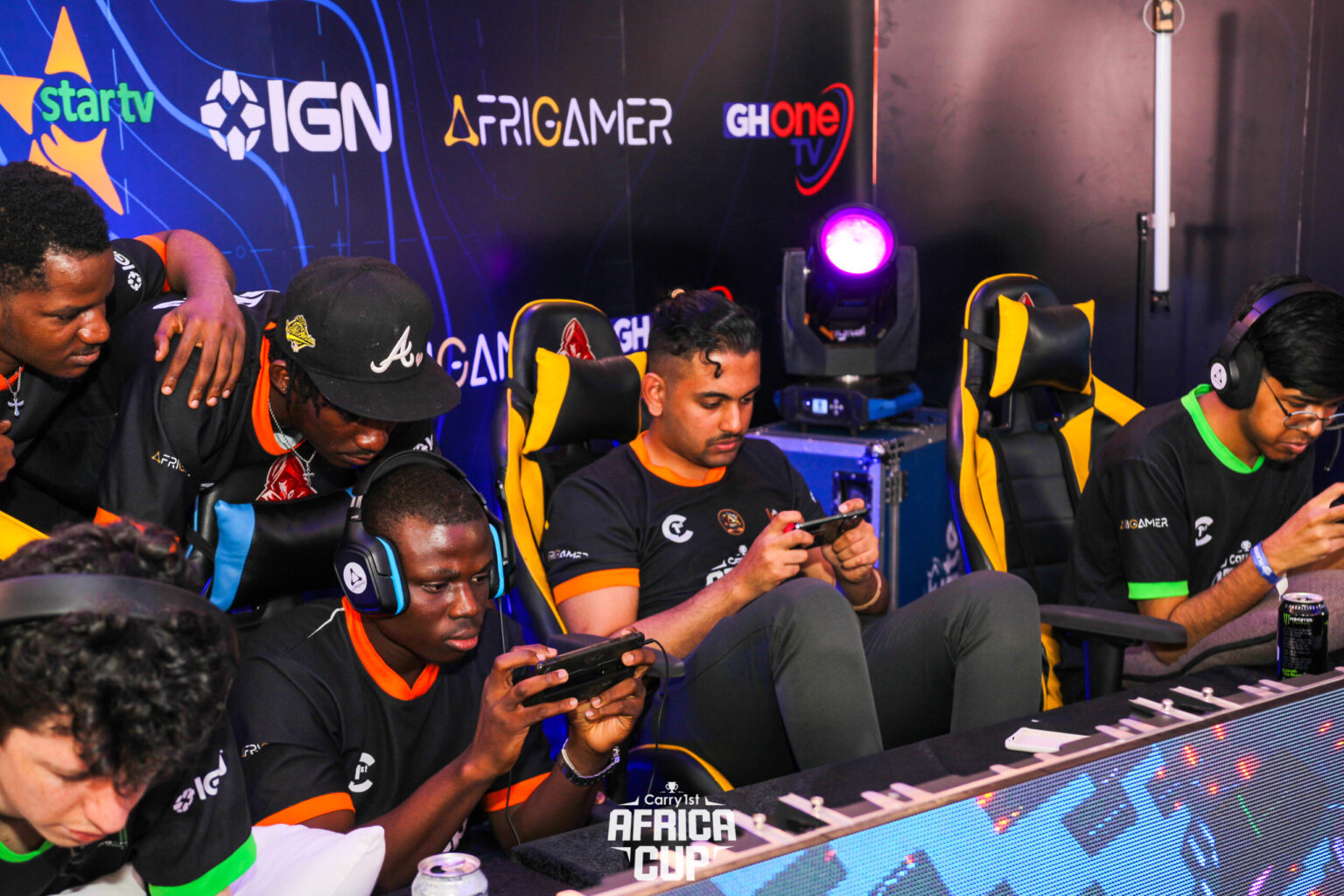
Games like Call of Duty Mobile, Free Fire, EA FC, and PUBG Mobile are where most of the active competitive scene in Nigeria currently lives.
Most Nigerian Players Are Not Living Off Esports Yet
For the large majority of Nigerian esports players, tournament winnings function as side income rather than a full salary. Many semi-professional players treat competitions as a way to earn extra money on top of other work or studies, not as their main source of income.
A smaller group of full-time competitors, particularly in CODM, Free Fire, EA FC, and PUBG Mobile, have started securing actual sponsorships, brand deals, and streaming partnerships. These are still the exception rather than the norm. The biggest obstacle holding the scene back is consistency. Prize pools are growing year over year, but without a steady calendar of structured leagues, most players are stuck relying on sporadic tournaments rather than predictable, recurring income.
One quote from inside the Nigerian gaming community sums up how far things have moved in just a few years: five years ago, people laughed at the idea of making money from gaming in Nigeria. Now some gamers are taking home salaries, sponsorships, and tournament winnings. It is slow, but it is real.
Why Nigerian Players Struggle To Compete For Bigger Money
Some of the biggest opportunities for Nigerian players to earn serious money come from international tournaments, but access remains a major problem. In 2024, Omniverse Africa partnered with international organisers to give Nigerian gamers a path into a $1 million prize pool tournament. The catch was that players needed to be physically present at the event, and many talented Nigerian gamers simply could not afford the flight and accommodation costs required to compete.
This single example shows the real gap holding Nigeria back. It is not always a lack of skill. It is often a lack of financial backing to even show up and compete on the same stage as players from wealthier esports markets.
Despite this, Nigeria remains one of the biggest gaming markets on the continent. In 2023, Nigeria recorded the highest gaming spend in Africa at $229.7 million, ahead of Egypt’s $212.6 million, even though Egypt had more total gamers at 20.2 million compared to Nigeria’s 14.7 million. That spending power has not yet fully translated into matching prize money or sponsorship deals, but it does show there is real money moving through the Nigerian gaming space.
How Nigerian Earnings Compare To The Rest Of The World
Looking at the global picture makes Nigeria’s current numbers feel even smaller. The average professional esports player worldwide earned $138,000 in 2025, up 25 percent from $110,000 the year before. That global average is heavily skewed by a small number of superstar earners, but even accounting for that, the gap with Nigeria is enormous.
Globally, esports salaries range from as low as $3,600 a year for tier-three mobile players in markets like India, up to $480,000 a year for elite Counter-Strike 2 and VALORANT players in North America. About 70 percent of professional gamers worldwide fall somewhere between $12,000 and $60,000 annually. North American players average $210,000 a year, the highest regional figure on the planet. China leads the world in total prize money distributed at $217 million in 2025, though it also has roughly three times more registered professional players than the United States.
Some individual numbers make the contrast even sharper. In 2020, a League of Legends player known as Perkz signed a contract worth $2 million a year for three years with Cloud9. Another player, known as Jensen, signed a two-year deal worth $4.2 million. Some US esports players reportedly earn as much as $410,000 a year according to Hal Biagas, former Executive Director of the LCS Players Association. By comparison, the entire recorded esports prize pool for all of Nigeria in 2024 was roughly ₦90 million, which converts to well under $100,000 at most points during that year.
What Is Actually Driving Growth In Nigeria
The growth that does exist in Nigeria is coming from the ground up rather than from major international investment. Near-weekly tournaments, campus qualifiers, and grassroots community events are what keep the scene active and growing, even without the structured league systems that exist in bigger esports markets.
Gaming content creators have also played a direct role in pushing the scene forward. These creators have inspired both new viewers and new competitive players, and their influence is part of what convinced Activision to launch a dedicated Call of Duty Mobile server specifically for Nigeria, a meaningful technical upgrade that improves the playing experience for everyone competing locally.
So Can You Actually Make A Living Gaming In Nigeria
Right now, the honest answer is mostly not yet, but the door is opening wider every year. A handful of full-time competitors in mobile titles are managing to combine tournament winnings, sponsorships, and streaming income into something that resembles a real living. For most players, esports in Nigeria is still closer to a serious side hustle than a stable career, but the prize pools are growing, sponsors are starting to pay attention, and the player base keeps expanding.
The biggest thing standing between Nigeria and a more developed esports economy is not player talent. Nigerian gamers have already proven they can compete. What is missing is the kind of consistent investment, structured leagues, and travel support that turns a talented player into someone who can actually afford to show up and compete for the bigger international money sitting just out of reach.